Coffee Typography Shirt Design: A Pro Review
As someone who spends more time at the hoop than I do at my actual coffee machine, I approach new machine embroidery design files with a mix of excitement and skepticism. We have all been there: you download a cute graphic, load it onto your machine, and halfway through the stitch-out, you realize the density is too high for a knit or the lettering is too fine to survive a wash cycle. That is why I recently put the Coffee Typography Shirt Design to the test. This isn't just a quick glance at a thumbnail; this is a breakdown of how this specific piece of art holds up when translated from a digital embroidery file into a tangible, stitched reality.
First Impressions and Visual Personality
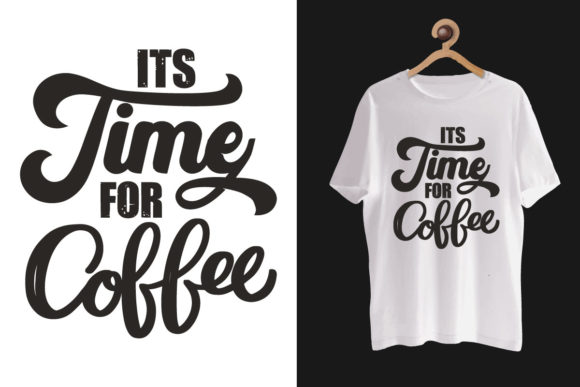
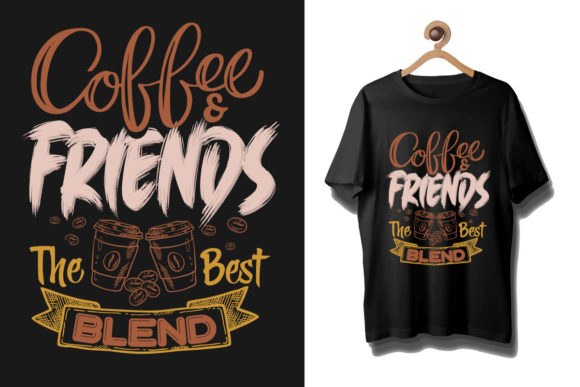
When I first pulled up the preview for the Coffee Typography Shirt Design, the immediate vibe was warm, inviting, and undeniably cozy. In the world of T-Shirt Designs and Graphics, coffee themes are ubiquitous, but the execution here feels distinct. The typography strikes a balance between modern script and legible print, which is crucial for embroidery. Unlike some vector art that looks great on a screen but turns into a muddy mess under the needle, this layout suggests a thoughtful consideration of negative space.
The mood it creates is perfect for the "slow living" aesthetic that is currently dominating boutique markets. It feels like something you would see on a chalkboard menu in a hip café or printed on a reusable tote bag. For an Etsy seller or a craft business owner, this visual personality translates immediately into brand consistency. It says "handmade," "cared for," and "artisanal" without needing extra embellishment. The flow of the letters suggests a natural rhythm that should translate well into satin stitch borders or clean fill stitch bodies, depending on how the digitizer handled the conversion.
Real-World Application: The Morning Rush Tote
To truly evaluate this design, I needed a real-life scenario. I decided to use the Coffee Typography Shirt Design for a custom order: a set of canvas tote bags for a local coffee roaster's holiday gift set. Canvas is a forgiving fabric, but it has a distinct weave that can challenge detailed typography. My goal was to create a finished product that looked professional enough for retail sale but retained that handmade product charm.
During the setup, I paid close attention to the stitch density. One of the biggest risks with typography designs is over-saturating the fabric, which leads to puckering and stiffness. As I ran the test stitch-out on a scrap piece of canvas, I was pleased to see that the design maintained its shape without warping the material. The spacing between the letters allowed the fabric texture to breathe, which is essential for items like tote bag design projects that need to remain flexible. If you are planning to use this for sweatshirt embroidery on fleece or French terry, this balance is even more critical. A dense design on a stretchy knit can cause the garment to ripple permanently, but this design appeared light enough to sit comfortably on heavier knits.
Versatility Across Products
Beyond the tote bag, I started envisioning where else this Coffee Typography Shirt Design could shine in a small shop product lineup. It is an excellent candidate for custom apparel, specifically oversized tees or hoodies where the text can be scaled up for impact. For baby embroidery, scaling it down for a onesie bib or a nursery wall hanging could work beautifully, provided the smallest details remain clear. I also considered its potential as an embroidered patch. If you trim around the perimeter and use a merrow edge or a tight satin border, this design would make a fantastic iron-on accessory for jackets or backpacks.
For those focusing on home goods, imagine this stitched onto a linen tea towel or a kitchen apron. The theme fits the context perfectly, adding value to what might otherwise be a generic item. In terms of holiday embroidery, pairing this with autumnal thread colors like burnt orange, deep brown, and cream could create a best-selling item for the fall season. The versatility extends to digital assets as well; a high-quality photo of this stitched design makes for a compelling printable mockup or social media post to drive engagement for your design assets.
Technical Considerations and Fabric Choices
While the design shows promise, there are areas where caution is necessary. Typography is notoriously tricky on textured fabrics. If you attempt this on a highly textured waffle knit or a looped towel, the finer lines of the letters might get lost or break up. In those cases, I recommend using a heavier weight stabilizer—perhaps a cut-away rather than a tear-away—to provide a solid foundation for the needle. Also, be mindful of hoop size limitations. If you are working with a small 4x4 hoop, you may need to check if the design fits without resizing it to a point where the running stitch details become too sparse to hold together.
Dark fabrics present another challenge. The preview likely shows the design on a white background, but in production, you must ensure your thread colors offer sufficient contrast. A light beige thread on a navy blue sweatshirt might look subtle, but ensure it doesn't disappear in low light. Conversely, avoid using dark threads on light, thin fabrics where the backing might show through the stitches, ruining the crispness of the typography. Always test your tension settings; tight tension can cause the fabric to pucker around the curved edges of the letters, while loose tension can lead to looping and a lack of definition.
Business Value and Customer Trust
From a business perspective, the quality of your stitch-out directly impacts customer trust. A sloppy typography design screams "amateur," whereas a clean, well-executed Coffee Typography Shirt Design elevates the perceived value of your commercial embroidery services. When a customer receives a personalized gift or a boutique item with sharp, clear lettering, they associate that quality with your brand. This design has the potential to be a staple in your catalog because coffee culture is evergreen. It appeals to a wide demographic, from students to professionals, making it a safe bet for inventory.
However, before listing this as a digital embroidery file or selling finished goods, you must verify the licensing terms. The description mentions it is possible and easy, but does that extend to commercial use? Always confirm whether you are allowed to sell the physical finished product or if there are restrictions on the number of units. For Etsy sellers, adhering to license agreements is vital to avoid account issues. Additionally, if you plan to sell the file itself, ensure you have the rights to redistribute the applique design or digitized version.
Final Verdict and Designer Notes
After running through various scenarios, my verdict on the Coffee Typography Shirt Design is positive, provided you respect the technical limits of your machine and materials. It is a strong contender for anyone looking to expand their range of personalized gift options or refresh their custom apparel line. The design feels current without being overly trendy, suggesting it will have a decent shelf life in your product rotation.
Before you commit to a full production run, here are my practical notes:
- Test on Scrap First: Never skip this step. Use the exact fabric and stabilizer combination you plan to use for the final item.
- Check Contrast: View your test stitch-out in black and white to ensure the design reads clearly without relying on color.
- Inspect Small Details: Look closely at the entry and exit points of the stitches in the tighter curves of the letters to ensure no trimming nightmares await you.
- Verify Licensing: Double-check the usage rights for both personal and commercial projects to protect your business.
- Adjust Density if Needed: If stitching on stretchy fabric, consider reducing the fill density slightly to maintain fabric drape.
In the end, a great design is only as good as its execution. With the right preparation and a keen eye for detail, the Coffee Typography Shirt Design can be the centerpiece of a successful embroidery project that delights customers and strengthens your reputation as a skilled maker.