Heart Disease Embroidery Design
As an embroidery designer and product reviewer, I’ve evaluated countless digital designs for real-world use. The Heart Disease embroidery design stands out as a meaningful and versatile option for custom apparel, personalized gifts, and awareness campaigns. But like any design, it has strengths and limitations that need to be considered before using it in a project or selling it as a finished product.
The First Impression: A Design with Purpose
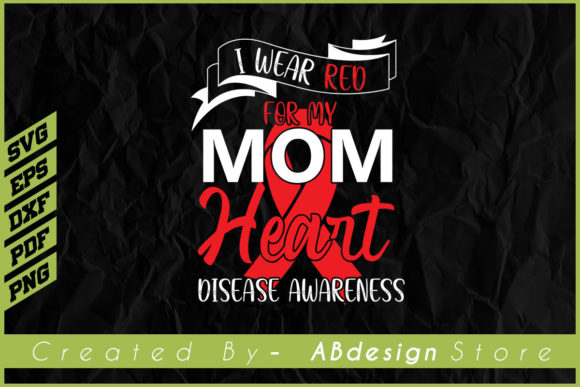
The Heart Disease design immediately conveys a sense of urgency and emotional weight. Its simple yet powerful shape makes it ideal for projects centered around health awareness, personal stories, or charitable causes. The layout is clean, with a central heart that can be easily adapted for different applications. The theme is clear and direct, which is great for embroidery projects that aim to make a statement.
The design’s visual personality leans toward minimalism, which works well for most fabric types and embroidery styles. It doesn’t have overly intricate details that might complicate the stitching process, making it accessible for both beginners and experienced embroiderers.
Real-World Use Cases: Where It Shines
This design fits naturally into a variety of embroidery projects. For example, a custom tote bag design featuring the Heart Disease emblem could be a popular item at a local craft fair or online store. It also works well on sweatshirts, t-shirts, and baby clothes, where the message can be both stylish and meaningful.
As an applique design, the Heart Disease motif could be used on patches, aprons, or even pillow covers. The simplicity of the design allows it to be stitched in satin stitch or fill stitch without losing its clarity. It’s also suitable for holiday or wedding gifts, where the message can resonate with the recipient on a personal level.
For small business owners and Etsy sellers, this design could be a strong addition to a line of handmade products focused on health awareness or personal storytelling. It’s especially effective when paired with a heartfelt description that highlights its purpose and meaning.
Challenges and Considerations: When to Be Cautious
While the Heart Disease design is generally straightforward, there are situations where it may not perform as well. On small hoop sizes, the design might feel cramped, especially if you’re trying to add text or additional elements. This could limit its use on items like caps or hats, where space is limited.
On textured fabrics, such as fleece or knits, the design may not sit as smoothly as it would on a smooth cotton or polyester blend. Thin or stretchy fabrics could also cause the stitches to pucker or distort, depending on how they’re stabilized. Dark fabrics may require a contrasting thread color to ensure visibility, while light fabrics might show the design more prominently.
Detailed corners or tiny lettering could be problematic if the design isn’t optimized for those areas. If the file includes any text, it’s important to check how it appears after stitching. Dense stitch areas might cause the fabric to wear faster, especially on items that will be washed frequently.
Impact on Visual Appeal and Customer Perception
The Heart Disease design has the potential to enhance the visual appeal of any project it’s used on. Its bold shape and clear message make it instantly recognizable, which is key for products that rely on branding or awareness campaigns. However, the success of the design depends largely on how it’s executed.
A well-stitched Heart Disease design can elevate the perceived value of a handmade product or custom apparel. It adds a professional touch that customers appreciate, especially when paired with quality materials and thoughtful presentation. On the other hand, poor execution—such as incorrect thread colors or improper stabilizer use—can detract from the overall look and reduce customer trust.
For commercial embroidery projects, the design’s consistency across different fabric types and stitch methods is crucial. It should maintain its integrity whether it’s used on a single garment or mass-produced for a retail setting.
Practical Designer Notes: What to Check Before Using
Before using the Heart Disease design in your next project, test it on scrap fabric to see how it looks and feels. Check the stitch density to ensure it’s appropriate for the fabric you’re using. Confirm the hoop size required to accommodate the design, and inspect small details like corners or edges for accuracy.
Test the design in black and white mockups to see how it translates without color. Compare it against both light and dark fabric backgrounds to ensure visibility. Use the right stabilizer for the fabric type, and always check that the design works for both personal and commercial projects.
If you plan to sell the finished product or digital files, confirm the licensing terms to avoid any legal issues. This is especially important if you’re an Etsy seller or running a craft business that relies on digital downloads.
Final Thoughts: A Design That Speaks Volumes
The Heart Disease embroidery design is a strong choice for anyone looking to create meaningful, impactful projects. Its simplicity, clarity, and emotional resonance make it a valuable asset for custom apparel, personalized gifts, and awareness campaigns. With proper care and attention to detail, it can become a standout element in any embroidery project or digital product offering.
Whether you're a hobbyist, a small shop owner, or a professional designer, this design has the potential to connect with customers on a deeper level. Just remember to approach it with the same care and consideration you’d give any other embroidery file—because every stitch tells a story.